
The Many Shades of Retirement: Finding Your Perfect Fit for a Life of Slow Travel

Retirement is no longer a one-size-fits-all concept. For many, the golden years aren’t about settling down—they’re about opening up to new possibilities, places, and people. As the slow travel movement gains popularity among retirees, it's clear that how we retire is just as important as when we retire.
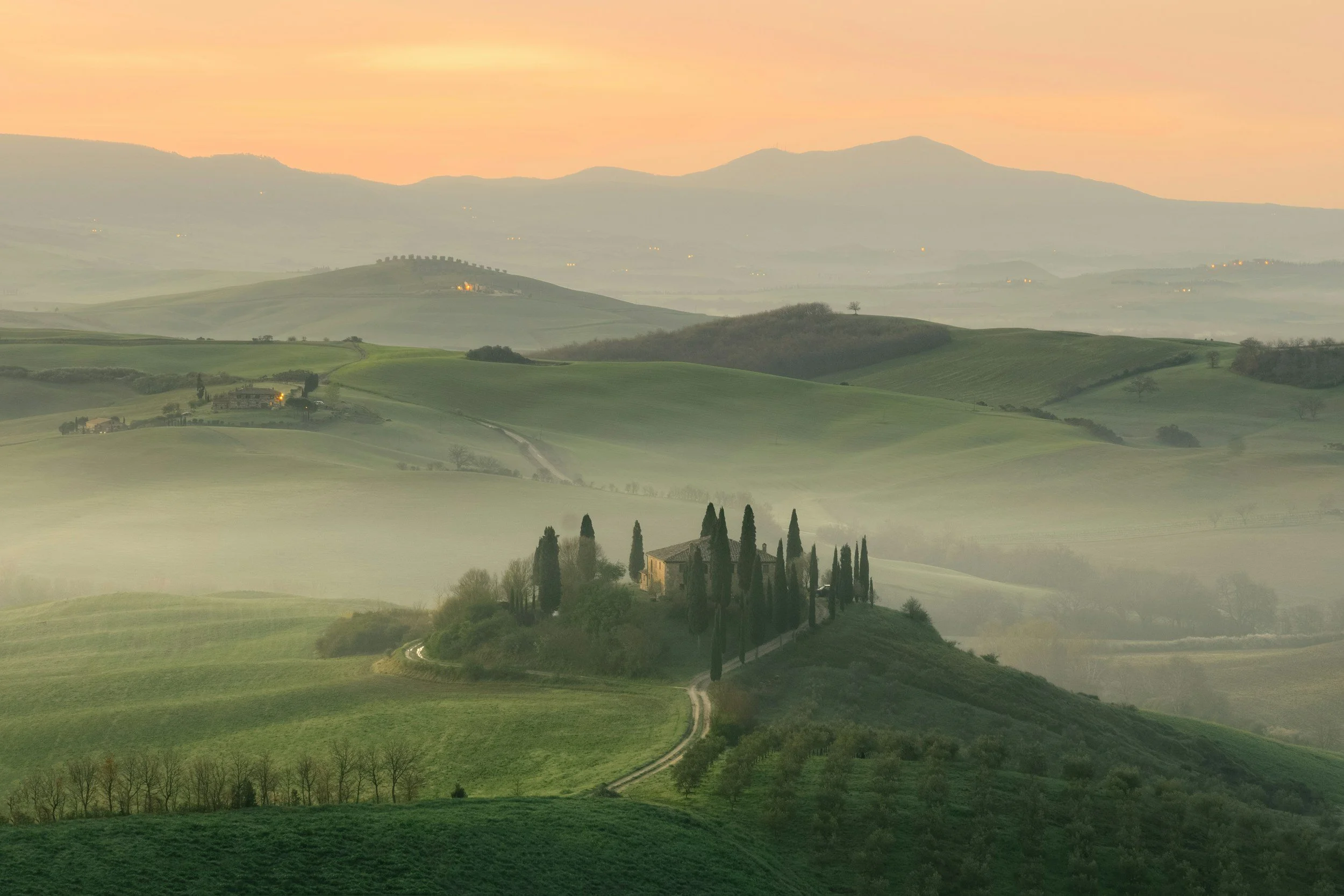
Whether you're dreaming of vineyard walks in Tuscany, coastal afternoons in Portugal, or simply sipping coffee in a quiet plaza in a town you can’t yet pronounce, there's a type of retirement to match your ideal lifestyle. Here's a look at the diverse forms retirement can take—each offering a unique path to freedom, fulfillment, and adventure.
1. Traditional Retirement
Best for: Those who value stability and predictability
This is the classic model: you stop working altogether, collect your pension or retirement savings, and enjoy a quiet life close to home or in a chosen retirement community. While it might sound tame to some, traditional retirement offers a strong foundation for slow travelers. With no work obligations, you’re free to plan extended stays abroad or seasonal escapes without the pressure of deadlines.

2. Semi-Retirement
Best for: People who still enjoy working part-time or freelancing
Semi-retirement blends leisure with light work. Whether it's consulting, teaching online, or running a small business remotely, this lifestyle balances income and flexibility. For slow travelers, semi-retirement allows you to finance longer trips, integrate into local communities, and maintain a sense of purpose on the road. Think of it as funding your travel lifestyle without clocking in full-time. To achieve this you either need to work as a digital nomad, or travel in your home country as work visas can be a big headache. Some people work for a few months seasonally out of the year, and then travel in the off seasons.

3. Mini-Retirements
Best for: Adventurous spirits who want to break from traditional timelines
Popularized by the "lifestyle design" movement, mini-retirements are short, intentional breaks from work—sometimes lasting months or even a year—taken throughout life, rather than waiting for old age. This model suits those who prefer intermittent travel with deep cultural immersion. It’s not bound by age, but increasingly popular among early retirees who wish to explore while they’re still energetic. If your job doesn’t provide for sabbaticals (which is rare these days), consider taking a leave of absence or get a job lined up for when you return. This way you can take a long travel break in-between jobs without as much stress.

4. Digital Nomad Retirement
Best for: Tech-savvy retirees who want to keep moving
More and more retirees are choosing to live like digital nomads—moving slowly from place to place with minimal possessions, often staying in short-term rentals or house-sitting. They manage investments, blogs, or online businesses on the go. With tools like eSIMs, cloud banking, Upwork, and Airbnb, this type of retirement caters well to slow travelers who want to combine comfort with constant change.
5. Expat Retirement
Best for: Those seeking affordability and a cultural reboot
Living abroad full-time in countries with a lower cost of living has become a practical and enriching option for many retirees. Countries like Mexico, Portugal, and Thailand offer excellent healthcare, welcoming communities, and slow, scenic lifestyles. This version of retirement allows for deep integration into new cultures and a richer appreciation for life’s pace and simplicity. Just don’t take the plunge before visiting and getting to know the local culture. Some places are not always the best fit for everyone. Try out one of our tours in a location you are thinking about so you can get a better feel for it before you take the plunge.

6. FIRE (Financial Independence, Retire Early)
Best for: Planners and savers who want more time for personal passions
The FIRE movement champions aggressive saving and investing so you can “retire” from traditional work in your 30s or 40s. FIRE retirees often pursue passion projects, travel, and minimalist living. This group is often younger and more mobile, making slow travel a natural extension of their values. They’re redefining what it means to live well—by living light.

7. Volunteer or Purpose-Driven Retirement
Best for: Those who want to give back while seeing the world
Some retirees find joy in volunteering abroad—teaching, mentoring, building, or supporting nonprofits. This lifestyle offers a meaningful way to connect with local communities and give your travels purpose. Slow travelers especially thrive here, as volunteering often involves longer stays and deeper cultural exchanges.
Final Thoughts
Retirement, like travel, is deeply personal. There’s no single right way to do it—only the right way for you. Whether you’re easing into it with part-time work or diving headfirst into expat life, the key is to align your retirement style with your values, health, and sense of curiosity.
Slow travel, with its emphasis on connection over consumption and experiences over itineraries, pairs beautifully with almost every kind of retirement. No matter which path you choose, the world is wide—and waiting.
