
Slow Travel & Cultural Immersion: How to Experience the World More Deeply
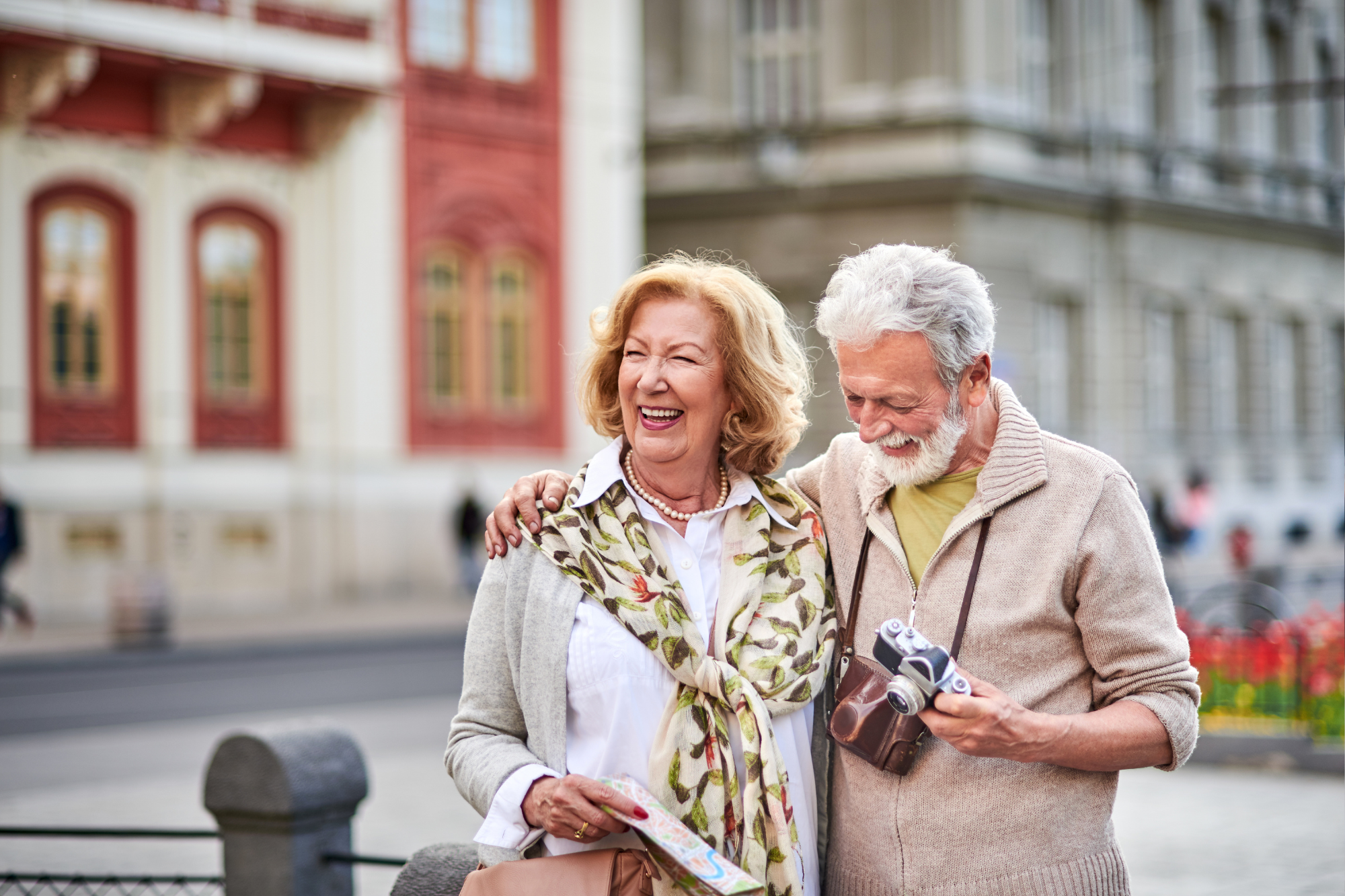
In a world obsessed with checklists and fast-paced itineraries, slow travel offers a refreshing alternative. It’s not just about seeing the sights—it's about living the experience. For travelers who crave meaningful connections and genuine cultural exchange, slow travel isn’t a trend; it’s a mindset.
Whether you’re planning a sabbatical, a gap year, or simply want your next trip to be more than just a vacation, here's why slow travel and cultural immersion should be at the heart of your journey.
What Is Slow Travel?
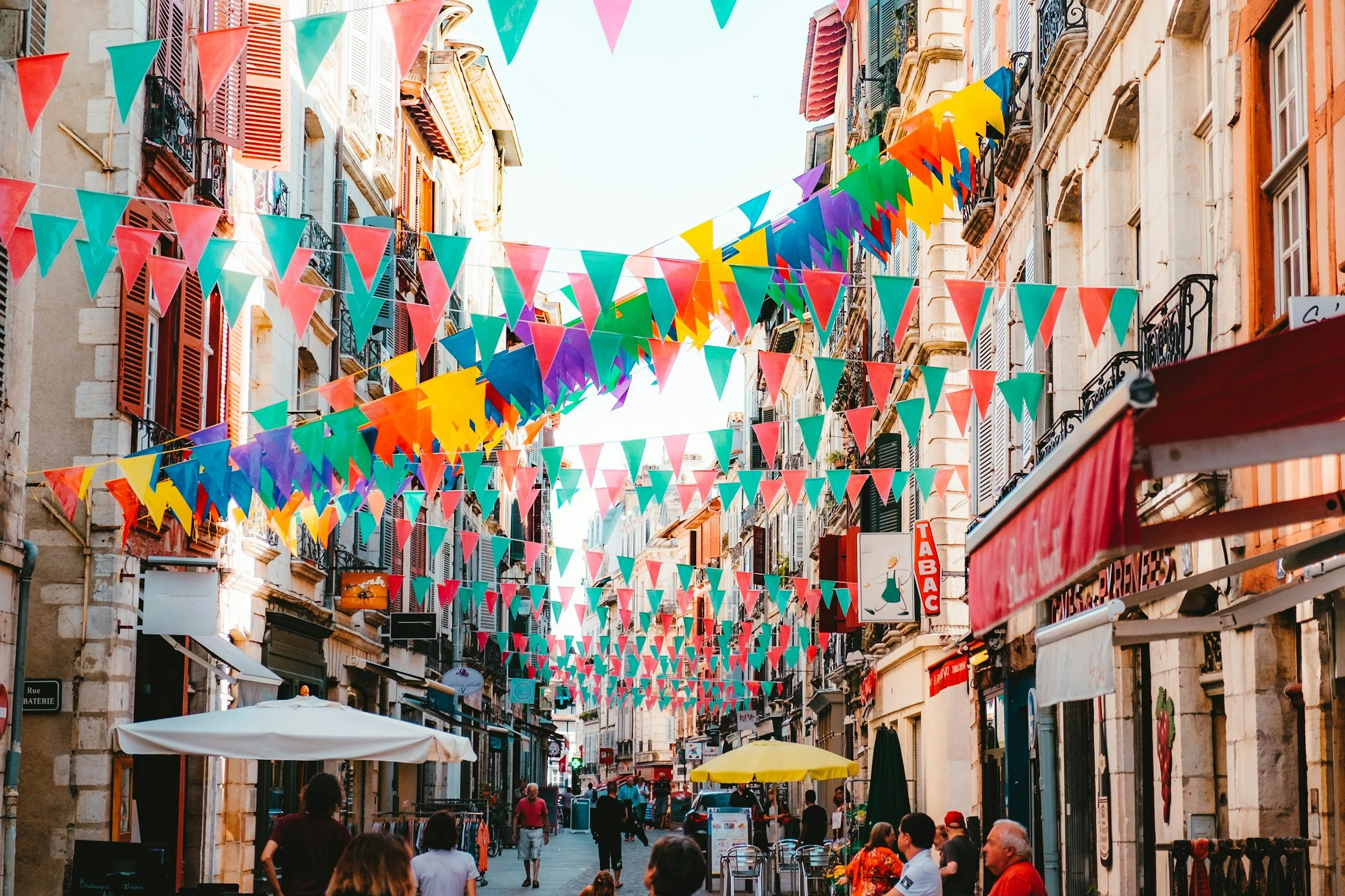
Slow travel is a conscious approach to exploring the world. It’s about spending more time in fewer places, allowing you to truly absorb the rhythms of daily life, build relationships, and engage with the community beyond the tourist façade.
Rather than rushing from landmark to landmark, slow travel encourages lingering in a local café, taking public transport, learning a few words of the language, or shopping at a neighborhood market. It’s less about escape and more about exchange.
Why Cultural Immersion Matters
Cultural immersion means stepping out of your comfort zone and into someone else’s world. It’s about observing how other people live, work, eat, and celebrate. Done with humility and respect, it transforms travel from entertainment into education.
When you engage meaningfully with another culture, you challenge your assumptions, develop empathy, and return home changed. That’s the kind of souvenir worth collecting.
How to Design a Trip for Cultural Immersion & Slow Travel
Here are some practical ways to travel slower and go deeper:
1. Stay Longer in Fewer Places
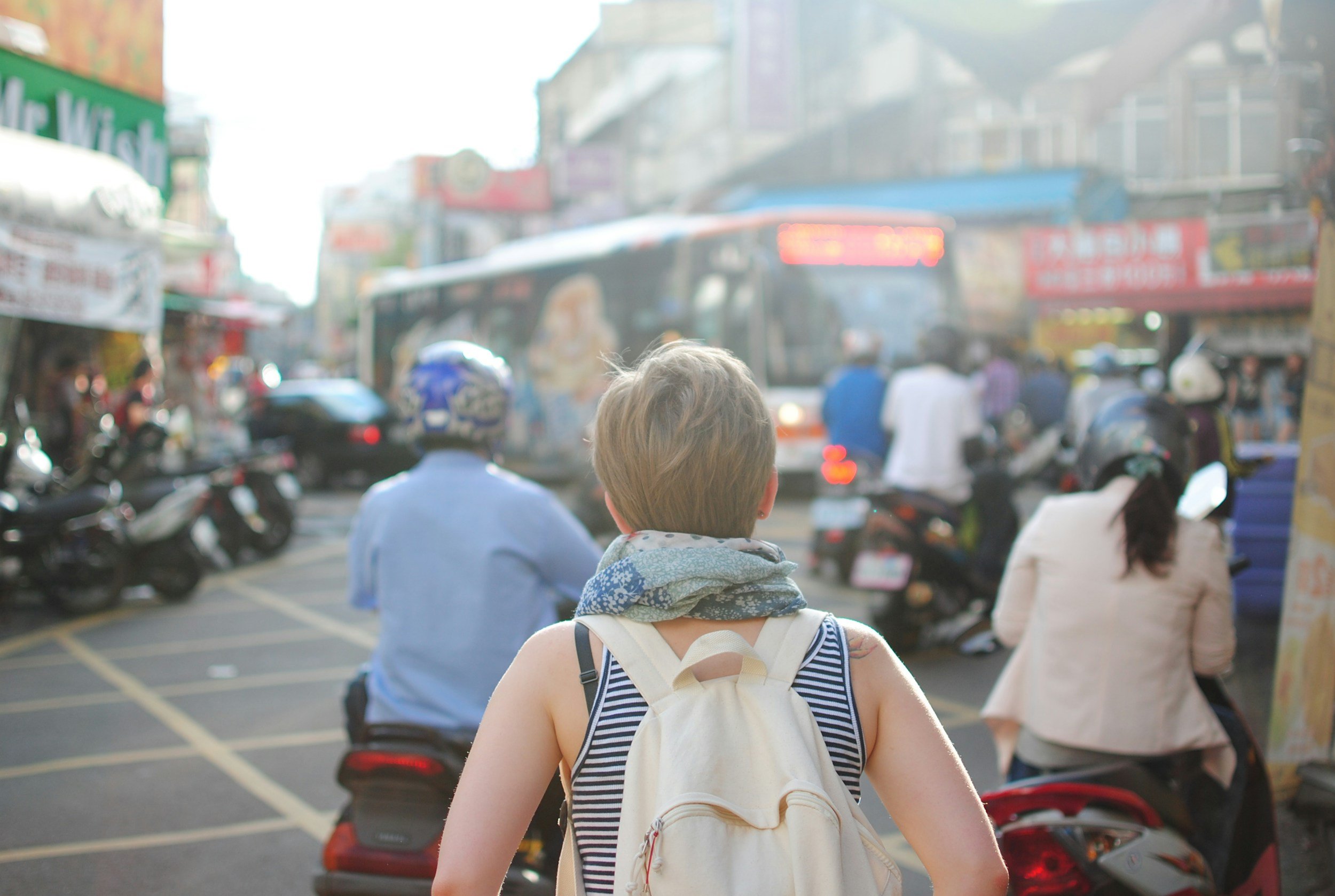
Instead of visiting five cities in ten days, choose one or two and stay for a week—or more. The longer you stay, the more likely you are to form connections, discover hidden gems, and understand local life. Our tours are all at least a week in each location insuring that there is time to explore.

2. Learn the Basics of the Language
Even learning a few simple phrases shows respect and opens doors. Locals are often more willing to engage when you make the effort, even if your grammar isn’t perfect. A simple Gracias can make a world of difference. Our tour directors can help you practice while traveling, and our books have a few important fraises to learn and reference while on tour.
3. Take Local Transportation
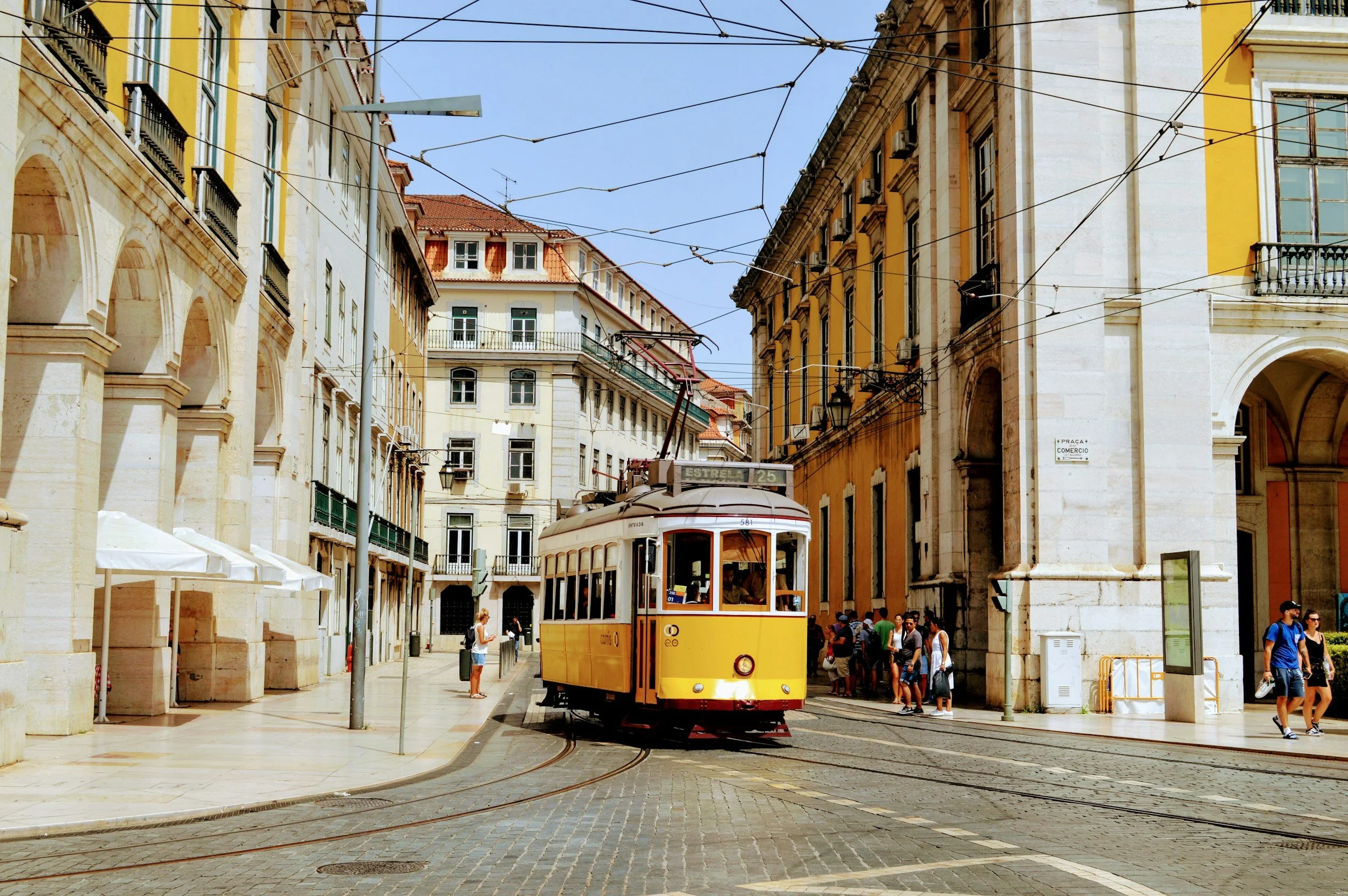
Instead of private transfers, hop on a bus, take a train, or use shared rides. You’ll see parts of the city or countryside most tourists miss and experience how people really move through their environment. We travel when possible by train for comfort and views.
4. Eat Where Locals Eat
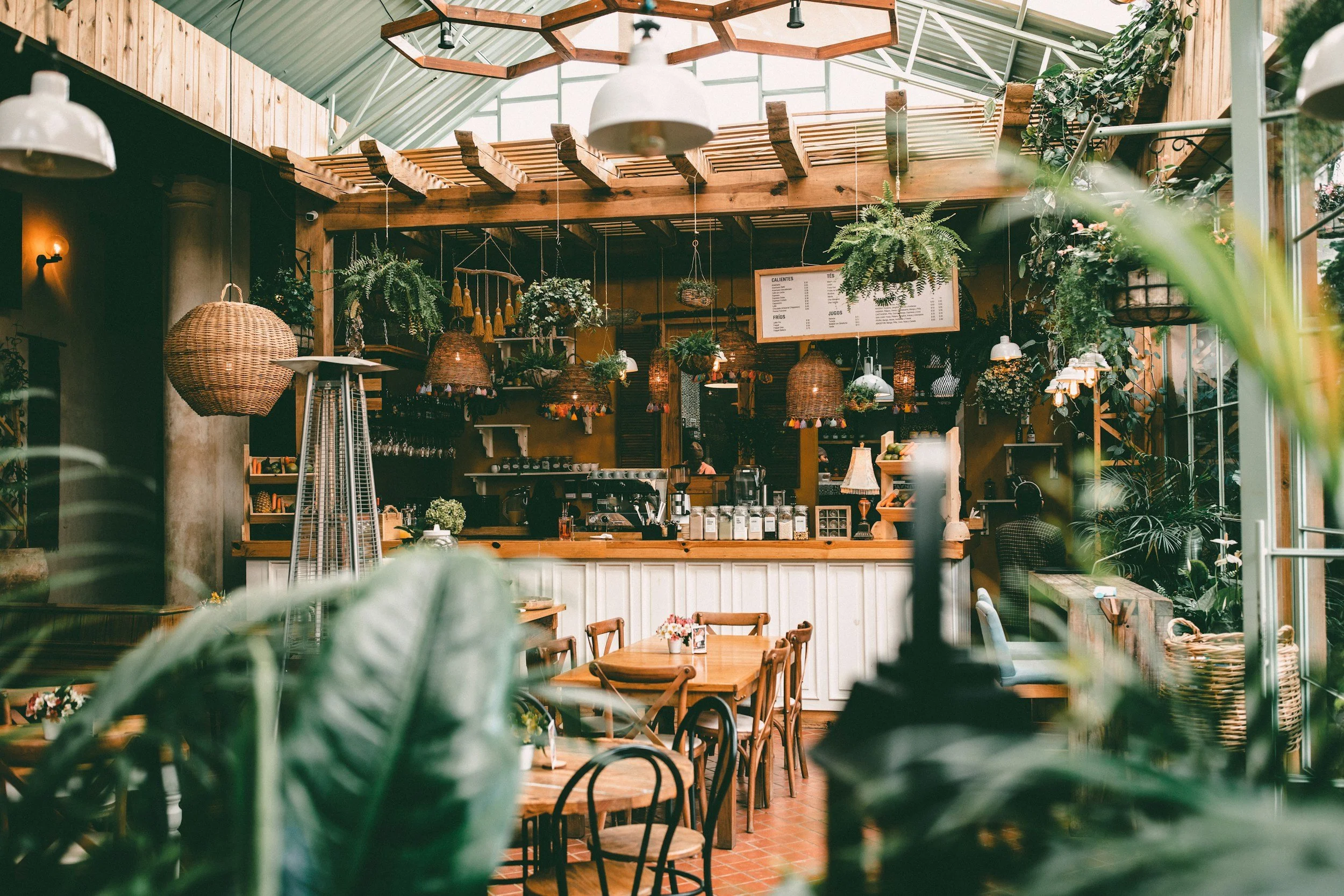
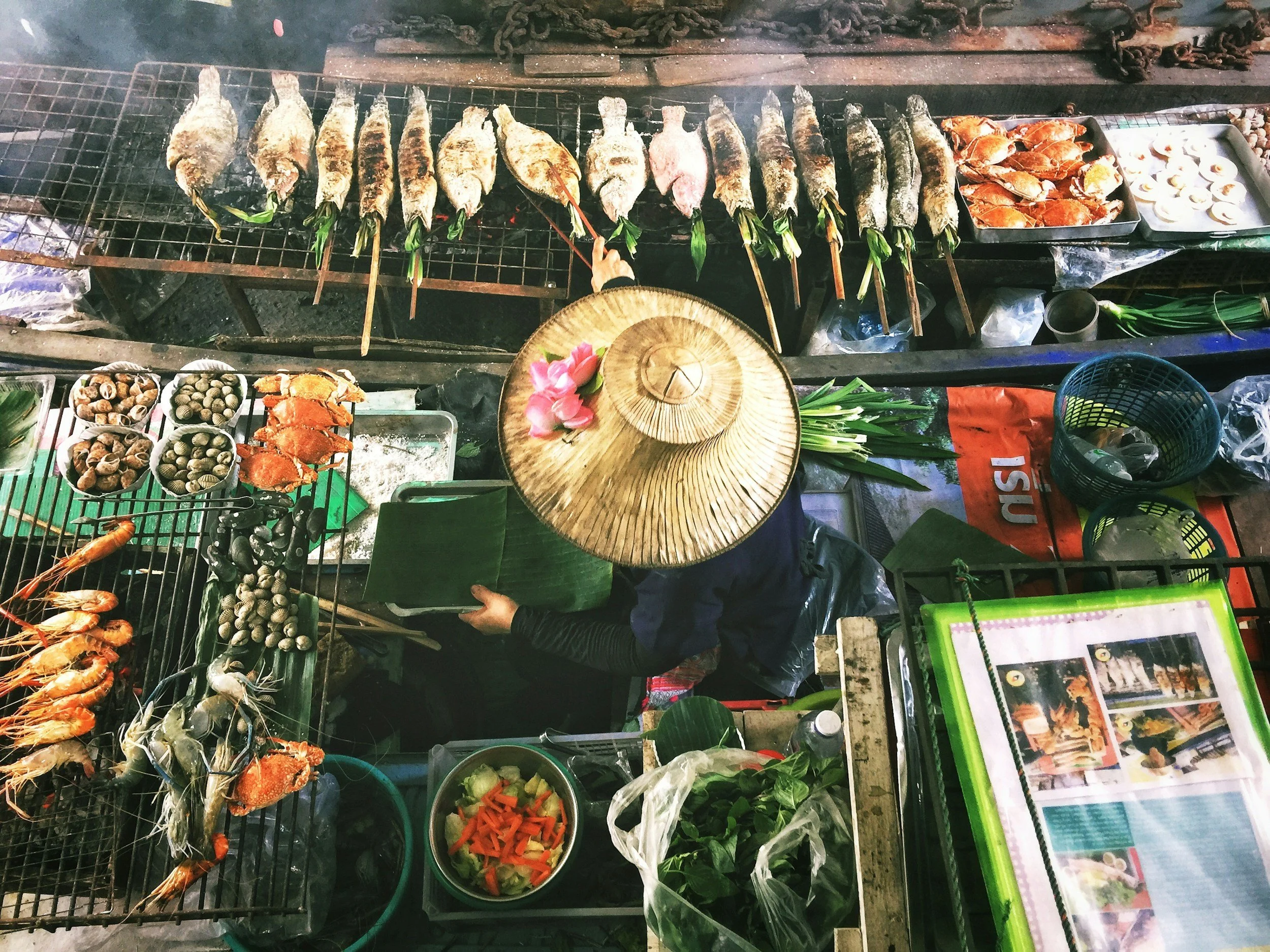
Skip the hotel breakfast. Wander the streets, ask locals for recommendations, or follow the line of workers heading to their favorite lunch spot. Food is one of the most accessible (and delicious) paths to cultural understanding. Our tours typically involve street food tours to teach about an important part about the culture. Plus it tastes interesting and great!
5. Engage With Local Guides or Community-Based Tourism
Seek out tours and experiences run by people from the community. Whether it’s a walking tour led by a historian, a weaving workshop with a local artisan, or a cooking class in someone’s home, these experiences are often more authentic and economically sustainable. We make sure to involve locals in all our tours.

6. Keep a Travel Journal
Writing down your impressions, conversations, and insights helps you process the experience and remember what you learned long after the trip ends. Keep track of all your favorite places so you can come back again!
Final Thoughts
Slow travel and cultural immersion aren’t just ways to travel—they’re ways to grow. They allow you to be more present, more connected, and more curious. You’ll return not just with photos, but with relationships, memories, and a broader understanding of the world.
In the end, the most meaningful journeys aren’t measured in miles, but in moments.
